by Bongani Maponyane (TAAC, ZACF)
Published in “Tokologo: Newsletter of the Tokologo African Anarchist Collective”, numbers 5/6, November 2015
 As anarchist-communists, we oppose sexism whenever and wherever it exists, although we also realise that class position differentiates the experience of sexism. We salute all the woman freedom fighters, and the older generation of women, many our mothers, who bear the scars of the gruesome battles in which they stood firm, fighting the oppression imposed on the African native by colonial conquest.
There were hard times in the apartheid era, where black women were abused, raped and oppressed: the state did nothing to stop this, but aided it, as the state was part of the system of oppression. History shows that dispossession and systematic dehumanization for the purposes of exploitation and domination were undertaken through the uncontrolled and coercive mayhem of the South African state.
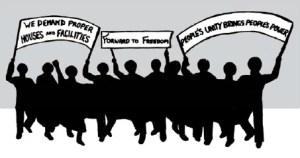 Welcome to the first double issue of tokologo, combining issues 5 and 6. This marks our third year of publishing by the tokologo African Anarchist Collective and its study circles.




![Anarchist banners at World Conference Against Racism, Durban, 2001 [1]](https://zabalaza.net/wp-content/uploads/2016/01/anarchist-banners-at-world-conference-against-racism-durban-2001-1.jpg?w=150)






![Anarchist graffiti at Motsoaledi squatter camp, Soweto, 2006 [1]](https://zabalaza.net/wp-content/uploads/2016/01/anarchist-graffiti-at-motsoaledi-squatter-camp-soweto-2006-1.jpg?w=150)

![Food garden linked to ZACF-PMCP anarchist project, Motsoaledi squatter camp, Soweto, 2007 [4]](https://zabalaza.net/wp-content/uploads/2016/01/food-garden-linked-to-zacf-pmcp-anarchist-project-motsoaledi-squatter-camp-soweto-2007-4.jpg?w=150)
![Food garden linked to ZACF-PMCP anarchist project, Motsoaledi squatter camp, Soweto, 2007 [3]](https://zabalaza.net/wp-content/uploads/2016/01/food-garden-linked-to-zacf-pmcp-anarchist-project-motsoaledi-squatter-camp-soweto-2007-3.jpg?w=150)
![Food garden linked to ZACF-PMCP anarchist project, Motsoaledi squatter camp, Soweto, 2007 [2]](https://zabalaza.net/wp-content/uploads/2016/01/food-garden-linked-to-zacf-pmcp-anarchist-project-motsoaledi-squatter-camp-soweto-2007-2.jpg?w=150)
![Food garden linked to ZACF-PMCP anarchist project, Motsoaledi squatter camp, Soweto, 2007 [1]](https://zabalaza.net/wp-content/uploads/2016/01/food-garden-linked-to-zacf-pmcp-anarchist-project-motsoaledi-squatter-camp-soweto-2007-1.jpg?w=150)
![Anarchist graffiti at Motsoaledi squatter camp, Soweto, 2006 [4]](https://zabalaza.net/wp-content/uploads/2016/01/anarchist-graffiti-at-motsoaledi-squatter-camp-soweto-2006-4.jpg?w=150)
![Anarchist graffiti at Motsoaledi squatter camp, Soweto, 2006 [3]](https://zabalaza.net/wp-content/uploads/2016/01/anarchist-graffiti-at-motsoaledi-squatter-camp-soweto-2006-3.jpg?w=150)
![Anarchist graffiti at Motsoaledi squatter camp, Soweto, 2006 [2]](https://zabalaza.net/wp-content/uploads/2016/01/anarchist-graffiti-at-motsoaledi-squatter-camp-soweto-2006-2.jpg?w=150)
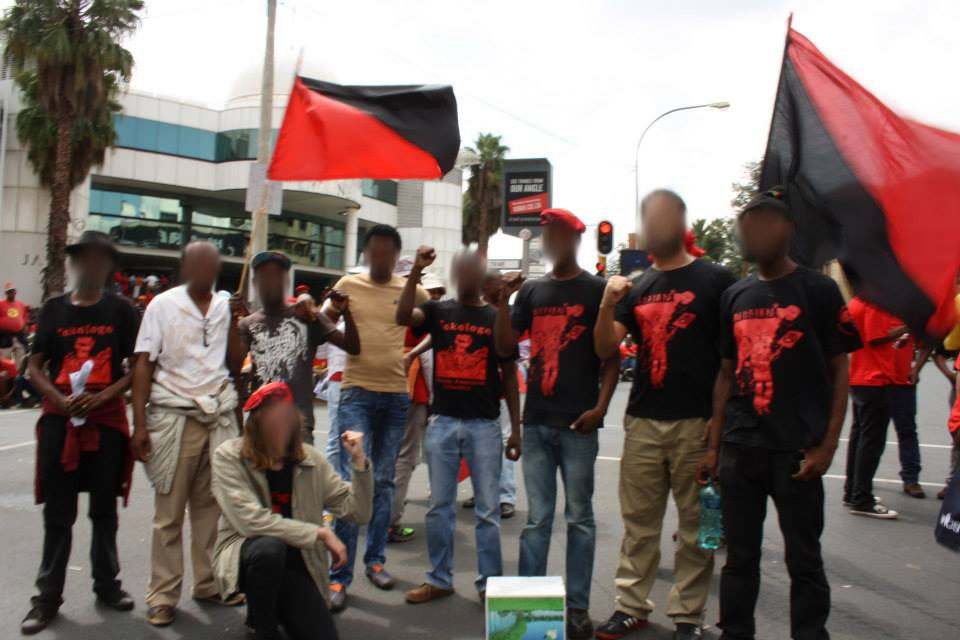
 One may ask what a presentation on anarchism has to do with hip-hop. I contend that within these two movements exist shared ideas and sentiments, building blocks of a deeply critical and self-conscious political culture. Both share a deep anti-establishment ethos; a mistrust of established institutions of social and political control. Both come from and are based amongst the oppressed.[1] At its core, hip-hop shares with anarchism its desire for political and social change via people’s movements and expression.

 zabalaza.net