I met Mohammed Hassan Aazab earlier this year over tea at a table of young anarchists in downtown Cairo. The anniversary of the revolution had just passed with massive protests and the emergence of a Western-style black bloc that appeared to have little to do with anarchists in the city. At the time, much of the ongoing grassroots organizing was against sexual violence — in particular, the mob sexual assaults that have become synonymous with any large gathering in Tahrir. The trauma of such violence carried out against protesters was apparent in our conversation. In fact, Aazab told me that he was done with protests and politics, and had resigned himself to the dysfunction of day-to-day life in Egypt.
Then came June 30. Crowds reportedly as large as 33 million took to the streets to call for the Muslim Brotherhood to step down from power, just a year after Mohammed Morsi took office. In the pre-dawn moments of July 1, as Aazab’s phone battery dwindled steadily, I reconnected with him to chat a bit about his return to resistance.

An anarchist tent in Tahrir Square. (WNV/Mohammed Hassan Aazab)

 Call World Social: The people want the fall of the system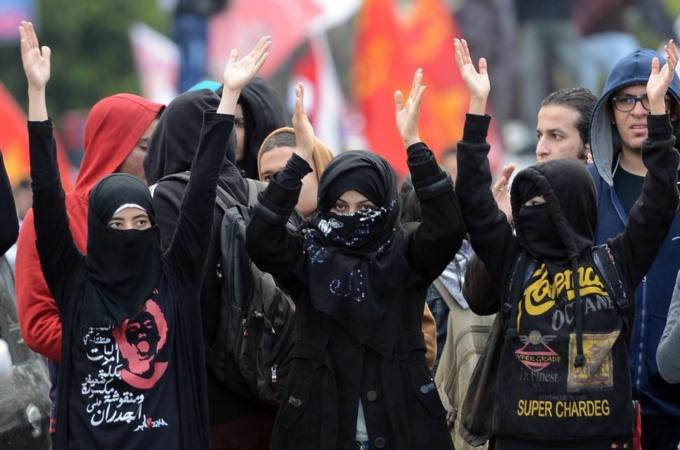
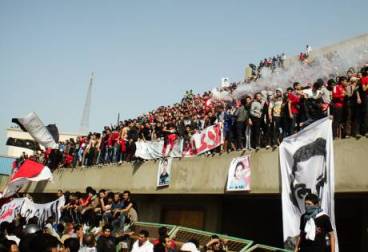 An unprecedented situation is taking place in the city of Port Said – complete self-management, a rejection of everything that authority represents. It is a situation that the main actors in the Egyptian struggle at this time – the workers – are trying to reproduce in other cities too.


 zabalaza.net