I-ANC ikhumula isifihla buso sayo! Kubulewe abasebenzi!

Malema - desserts of capitalism [zulu]Osozimali nosopolotiki banecala! Asimise ukuhlukunyezwa ngamaphoyisa. Akukho bulungiswa. Akukho xolo.

Asifuni uZuma, Asifuni uMalema, Asefuni iLONMIN!

pdf iconA4 double-sided Flyer [isiZulu]
Download here

AfrikaansEnglish | seTswana

Umthetho sisekelo walelizwe uthembisa amalungelo epolitiki nokulingana kwabantu. Kucacile ukuthi osozimali nosomapolitiki bazenzela umathanda. Banyathela ubuso babantu baseMzansi. Isibonelo esidumile esamaphoyisa ebulala abasebenzi bezimayini zaseLonmin Marikana. Continue reading
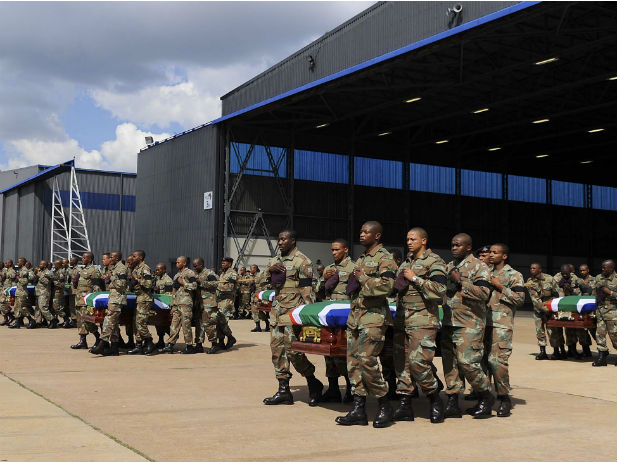
South Africa’s rulers have blood on their hands

Members of the SANDF carry the mortal remains of 13 members that were killed in Central African Republic (CAR) during the handing over to the respective families at the Waterkloof Air Force Base, in Pretoria, March 28 (Reuters)

Members of the SANDF carry the mortal remains of 13 members that were killed in Central African Republic (CAR) during the handing over to the respective families at the Waterkloof Air Force Base, in Pretoria, March 28 (Reuters)

Many people in South Africa were shocked by the death of at least 13 South African National Defence Force (SANDF) troops when rebels overran their base in the capital of the Central African Republic (CAR). Amongst the public and within the media questions soon started arising around the possible reasons why troops were in CAR to begin with. When it emerged that troops were possibly partly deployed to protect businesses in CAR linked to top African National Congress (ANC) officials, there was widespread outrage. The fact that South African troops were involved in protecting the political and economic interests of wealthy people linked to the South African state in CAR, and other African countries, should perhaps, however, not come as a surprise. Throughout its history, whether during apartheid or post apartheid, the South African state – which is controlled by the ruling class and headed up by members of this class – has been most willing to deploy troops in parts of Africa to protect the political, economic and strategic interests of the South African ruling class.  Continue reading

Reaping What You Sow: Reflections on the Western Cape Farm Workers Strike

Western Cape Farm Workers Strike [image: 2oceansvibe.com]by Shawn Hattingh (ZACF)

The series of strikes and protests that recently took place in and around farms in South Africa’s Western Cape Province was fuelled by the deep-seated anger and frustration that workers feel. On a daily basis, farm workers face not only appalling wages, bad living conditions and precarious work, but also widespread racism, intimidation and humiliation. The extent of the oppressive conditions run deep and it is not uncommon for workers to even be beaten by farm-owners and managers for perceived ‘transgressions’. Indeed, life for workers in the rural areas has always been harsh, but over the last two decades it has in many ways gotten even worse and poverty has in many cases grown.

Continue reading

Freedom for the “1st of May Cooperative and Social Movement” Political Prisoners in Bariloche, Argentina

Freedom-for-the-1st-of-May-Cooperative-and-Social-Movement

“The looters are the politicians, who rob
the workers of their dignity”

The undersigned organisations support the February 5th international day of solidarity with the five political prisoners from the 1st of May Cooperative and Social Movement (M.S.C. 1º de Mayo) in Bariloche, Rio Negro (Argentina) – agreed to at the final plenary of the 10th annual Latin American Encounter of Popular Autonomous Organisations (ELAOPA) – and the call for their immediate release and return to their homes and families. We denounce the violent manner with which the gendarmeria, under order of the Federal Justice, dispersed the families of the political prisoners demonstrating in demand of their release on 21st January. Similarly, we stand firmly in solidarity with the Federation of Grassroots Organisations (FOB), which has suffered aggressions and accusations in certain media sources of being “looters and delinquents” for defending their rights and actively demonstrating their solidarity and support for the persecuted comrades of Bariloche.

Continue reading

ANC wys sy ware kleure! Werkers Vermoor!

Kapitaliste en Politici Skuldig! Stop Polisie Brutaliteit.

Geen Geregtigheid, geen vrede. Weg met Zuma, weg met Malema, Weg met Lonmin!

Marikana massacre

Die Grondwet maak voorsiening vir politieke regte en gelykheid.  Dit is egter duidelik dat die base en politici maak soos hulle wil.  Hulle loop oor die mense.  Dit is duidelik in die polisie moorde van die stakers by Lonmin se Marikana myn.

pdf iconA4 double-sided Flyer [Afrikaans]
Download here

English | isiZulu | seTswana

Continue reading

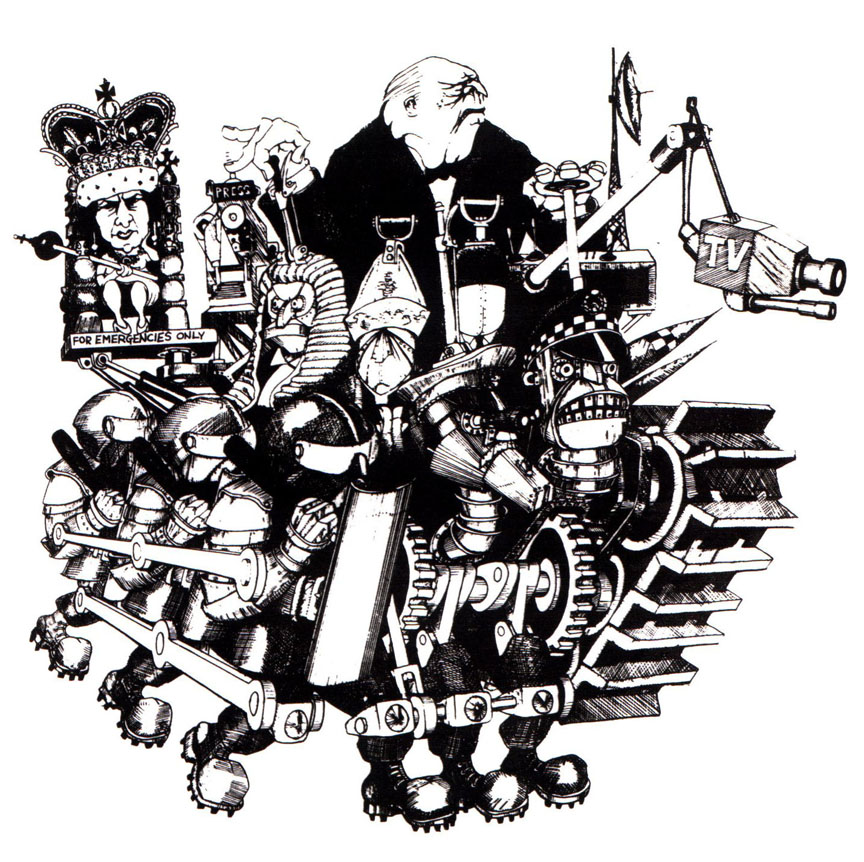
Whose State is it; and What is its Role?

by Shawn Hattingh

The StateThe South African state’s oppression of the ongoing wildcat strikes, including at Marikana, is clearly deepening. Over the weekend, troops were deployed in the platinum belt in what has been a barefaced bid by the state to stop the protests by striking workers, and essentially force them back to work. As part of this, residents at the informal settlement at Marikana have been subjected to a renewed assault by the police. Many residents in the process were shot with rubber bullets; their homes were raided; and tear gas, at times, lay over the settlement like a chemical fog. In practice, a curfew has also been put in place and anyone gathering in a group has been pounced upon by the men in blue. Threats have also emerged from the Cabinet that a crackdown on any ‘trouble-makers’, that are supposedly inciting workers to continue to strike, is going to happen.

Continue reading

Sugar Coating Exploitation

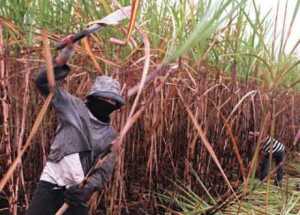
Sugarcane workersby Shawn Hattingh

This article explores, from an anarchist perspective, the sugar industry in southern Africa, and how the two dominant companies – Illovo and Tongaat-Hulett – exploit and oppress workers and communities surrounding their operations.

Southern Africa has become well known for being one of the cheapest places to produce sugar. Consequently, million of tons are produced in the region every year. Two companies have come to dominate much of this lucrative industry: Illovo Sugar and Tongaat-Hulett. It is little wonder (given how profitable the sector is), that in 2012 these two South African headquartered sugar giants once again declared massive annual profits. In fact, Illovo and Tongaat-Hulett have been reaping in billions of Rands from their operations in South Africa, Mozambique, Zimbabwe, Tanzania, Malawi, Zambia and Swaziland over the years.

Continue reading

In Sunny St-Imier! Ep. 3: Zabalaza Anarchist Communist Front

Interview with Warren of the Zabalaza Anarchist Communist Front done at the St. Imier international anarchist meeting about the importance of forging both organisational and personal ties with comrades around the world. In addition Warren sheds some light on the origins of anarchism in Africa. Interviewed by Adrien of the ZACF’s sister organisation Motmakt from Norway.

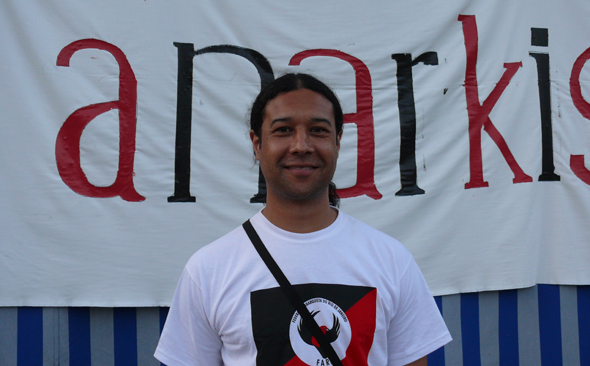
Warren in front of the Anarkismo tent in St-Imier

Warren in front of the Anarkismo tent in St-Imier

Transcript of the interview

Motmakt: I’m here in beautiful St-Imier, Switzerland. And we have taken refuge from the sun and are drinking a little bit of beer and are having a great time. I am here with Warren from the Zabalaza Anarchist Communist Front, and I was wondering Warren how did you hear of the St-Imier conference?

Continue reading

What the Marikana Massacre tells us

by Shawn Hattingh

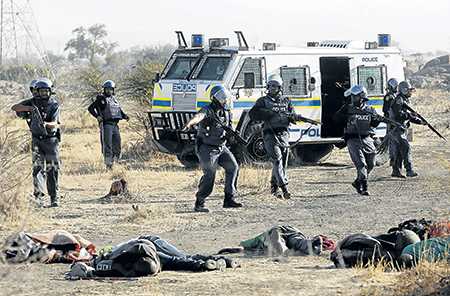
Marikana MassacreThe sight of policemen brutally gunning down striking mineworkers at Marikana was truly galling. At the very least 300 rounds of live ammunition were fired at workers (and not only those seen on TV) by the police using automatic assault rifles in a military style operation [i]: the infamous consequences being 34 workers killed and perhaps as many as 87 injured [ii], with some workers still unaccounted for [iii]. Many of the workers were also reportedly shot in the back [iv] and some executed [v]. To add insult to injury, and with what was clearly some relish, the police arrested 260 workers in the aftermath [vi].  This often even involved policemen literally sticking the boot into injured workers. Allegations have also subsequently emerged that 190 of these arrested workers were tortured, some for up to 3 days, whilst being held in surrounding police stations [vii]. One worker also claims that he was taken to a room on Lonmin’s property, who owns the mine at Marikana, and handcuffed to a chair and beaten with a rubber pipe by police in a bid to extract information about the ‘leaders’ of the wildcat strike [viii]. Not to be outdone in callousness, Lonmin issued an ultimatum that unless the rest of the striking workers returned to work by 7am on the 21st of August disciplinary actions would be taken against them [ix]. The strikers though have ignored Lonmin’s threats, and at the time of writing, most remained out on strike [x].

Continue reading