by a Syrian comrade
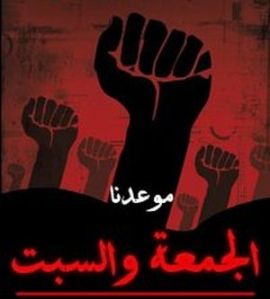 This could to some extent tell my situation when I was inside the “liberated territories” of Syria, that is the territories controlled by the free army, the armed forces of the Syrian opposition. But still it is not the whole truth. It is true that not all the free army militants are devoted jihadists, although most of them are thinking, or telling, that what they are practicing is “Jihad”. The truth is there are a lot of ordinary people, even thieves, etc. among them, as in any armed struggle. My first and lasting impression about the current situation in Syria is that there is no longer a popular revolution going on there – what is taking place there is an armed revolution that could degenerate simply into a civil conflict. The Syrian people, which showed unprecedented courage and determination in the first few months of the revolution to defy Assad’s regime despite all its brutality, is really exhausted now. 19 long months of fierce repression, and lately, of hunger, scarce resources of all types, and continuous bombardment of the regime’s army, weaken its spirit.


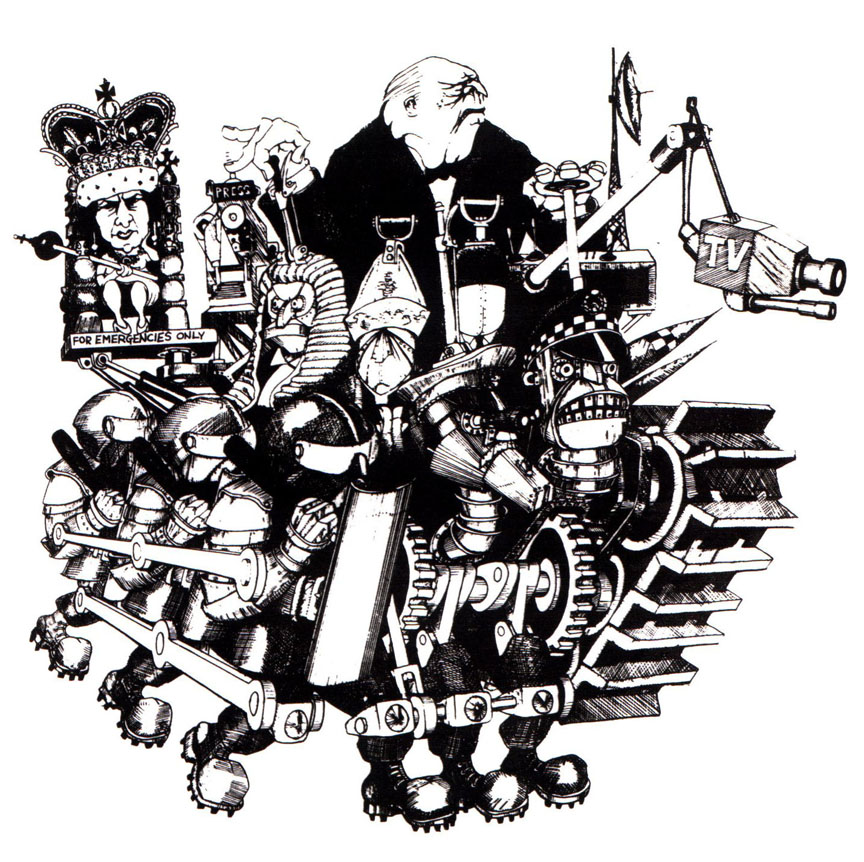
 Privatisation – the transfer of functions and industry to the private sector – is widely and correctly rejected on the left and in the working class. Privatisation leads only to higher prices, less and worse jobs, and worse services. Given this, some view nationalisation – the transfer of economic resources (e.g. mines, banks, and factories) to state ownership and control – as a rallying cry for a socialist alternative. As the supposedly pro-working class alternative, this cry has resounded in sections of the SA Communist Party (SACP), in the Congress of SA Trade Unions (Cosatu), in the African National Congress Youth League (ANCYL) membership, and on the independent Trotskyite and social democratic left.
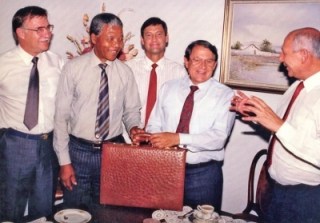 2012 is the centenary of the African National Congress (ANC). The party that started out as a small coterie of black businessmen, lawyers and chiefs is today the dominant political formation in South Africa. It was founded by the black elite who were marginalised by the united South Africa formed in 1910, and who appeared at its Bloemfontein inauguration “formally dressed in suits, frock coats, top hats and carrying umbrellas”.[1] Today it is allied via the Tripartite Alliance to the SA Communist Party (SACP) and the Congress of South African Trade Unions (Cosatu).

 zabalaza.net