 The Way Forward for South Africa:

Class Struggle and Anarchism
by Nkululeko Khubisa (TAAC)
Published in “Tokologo: Newsletter of the Tokologo African Anarchist Collective”, numbers 7/8, November 2017
South Africa is in a mess. That is clear, more than 20 years since the end of apartheid. We have won many things. It was our struggle that beat apartheid laws and the old government. But we are not free yet. Corruption, poverty, job losses, hatred, violence, the apartheid legacy are all part of the mess.
What is the way forward for South Africa? It is struggle by the masses of the people for a better society.
What does that require?
EDUCATE!
The way forward is unity and solidarity, but that means we need knowledge. People need to be mobilised and taught about politics – real politics, not the party system – and this process needs to take place at all levels.
If everybody among the working class and poor could be informed and alert, and
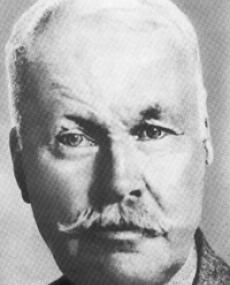 If W. H. “Bill” Andrews (1870- 1950) is remembered today, it is usually as a founder and leader of the Communist Party of South Africa (CPSA, today the SACP). In that role, he served as party chair, member of the executive of the Communist International, leading South African trade unionist, visitor to the Soviet Union, and defendant in the trial of communists that followed 1946 black miners’ strike.
 Umzabalazo wenqanaba labantu abaxhomekeke kwimpilo yomsebenzi e-S.A. ngumzabalazo ophikisana nobugqili kuhlangene nohlelo lwe-capitalism ononqxowankulu abacandelo lolawulo buyyebi kunye nombuso. I-capitalism ononqxowankulu abacandelo lolawulo buyyebi kunye nombuso uhlelo lwaleyongcosana ebusayo. (amacapitalist abaphathi abasemazingeni aphezulu, osopolitiki abaqeqeshiwe) eqonde ukuxhaphaza iphinde icindezele iningi elingabasebenzi (abasebenzi bawowonke amazinga; imindeni yabo, amasotsha; abangaqashiwe kanye nemphakathi ehluphekayo yasemaphandleni). Lezinhlobo zombili zinenhloso ezehlukile zivaleleke emzabalazweni wangokwezinga.
 Roughly 50 years ago we saw the dismantling of most of the European colonial empires in Africa. High hopes greeted the “new nations” that merged – and certainly, a move from colonial rule, with its racism and external control and extractive economies, was progressive.
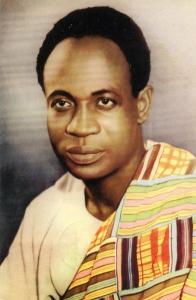 Ghana, West Africa, was a British colony called “Gold Coast” until 1957. It became the first independent country in “black” Africa after reforms and struggles in the 1940s and 1950s. The new president, the brilliant Kwame Nkrumah, and his Convention People’s Party (CPP), had fought for independence. Now they aimed at major changes in the society, even speaking of socialism. And Nkrumah proposed a united African government for the continent: Pan-Africanism.
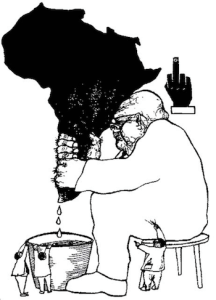
 “Africa today lies prostrate, bleeding, and embattled on all fronts, a victim of capitalist and, to a great extent, state socialist ambitions. The heart-rending misery of its peoples, the conditions of abject poverty, squalor and disease in which they live, exist side by side with the wanton luxury, rapacity, and corruption of its leaders.”
 I-Syndicalism uhlelo oluzama ukwehluka kunezihlelo ezejwayelekile zokuphatha nemibuso, ngamanye amazwi i-capitalism nohhulumeni. Ekuqadeni uhlelo lwe-capitalism ubukhomanisi badala into esabeka kakhulu ngokubeka amandla omnotho ezandlani zikehhulumeni kuphela. I-Syndicalistm ishiya emuva zonke izinhlelo zokuphatha esezidale ukucindezelwa noku xhashazwa komuntu ngomunye umuntu futhi. I-syndicalism ibuye izame ukwakha inhlangano eyakhiwe phezu kwezidingo zabantu hhayi izifiso zeziphathimandla futhi eyakhiwe phezu kokubambisana kwabantu abazibusayo, abalinganayo okubhekele ekutheni izidingo zika wonke wonke zifezeke, hhayi zabasezikhundleni.
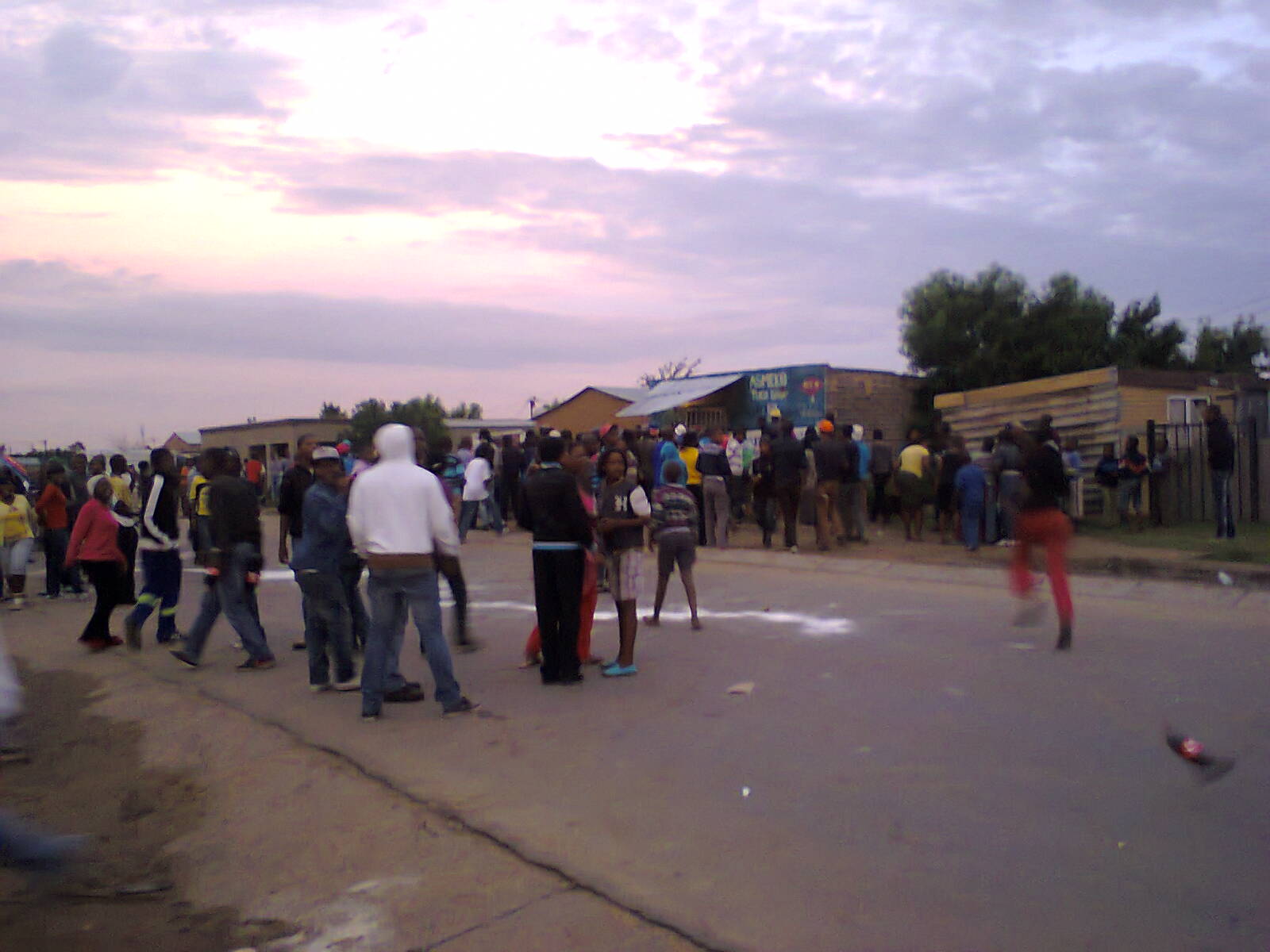
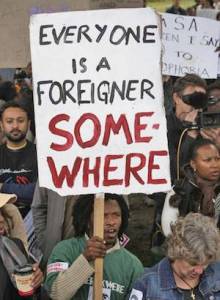 Attacks on African and Asian foreigners flared up in South Africa twice in 2015, first in April, mainly in KwaZulu, then in October in Grahamstown, the Eastern Cape. Many attacks were on small (spaza) shops run by foreigners. Maybe 500 were displaced in October.
 zabalaza.net