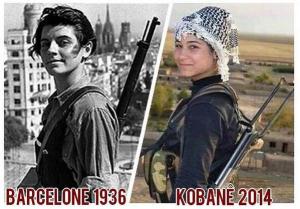
 We are living in a world that for most people is broken and that has broken most people. It is not a god given world, but one that has been constructed by those in power and that has left most people mired in deprivation. Under COVID-19, this world has sunk to new lows.
All is not lost though. There has historically been a section within the progressive movement – in different parts of the world and in South Africa – based around forms of radically democratic socialism that has not only tapped into the righteous anger of the working class, but has also sought to create a home and sense of belonging for people based on progressive values and principles such as mutual aid, solidarity and even love. If we want a better world, we need to revive the popularity of the types of politics, ethics, values, principles and practices that formed the essence – at their best – of such movements and update it for the context of the 21st century.
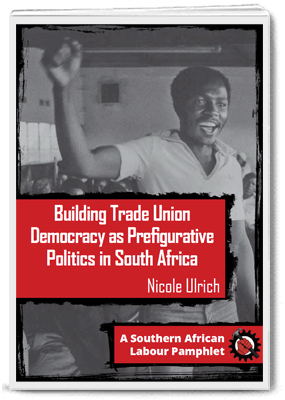 In examining the possibilities for politics within and at a distance from the state, it is important to revisit the democratic traditions of the working class, which are often learned through struggles and strikes – and which were exemplified by the new unions of the 1970s and 1980s. Not much of this alternative tradition of democracy outside the state has been captured in official histories, which present the attainment of democracy in terms of the formation of a parliamentary government in 1994.
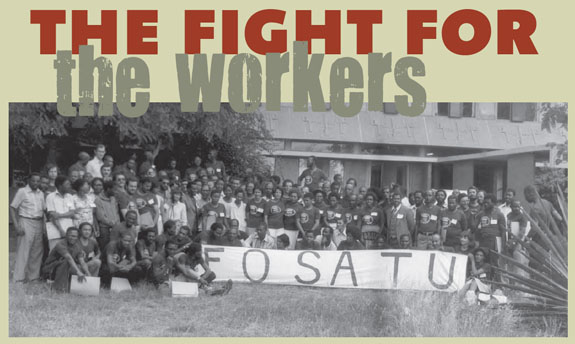
 Before there was the Congress of South African Trade Unions, today’s COSATU, there was FOSATU. FOSATU was set up in 1979. There had been strikes and struggles in the 1970s, starting with a big strike wave in Namibia from 1971-1972, which was then a South African colony, then a big strike wave starting in Durban 1973, which spread around the country. Although we remember 1976 for the bravery of the youth and students, we must remember that the 1976 uprising also involved general strikes by the black working class, mass stay-aways.
 zabalaza.net