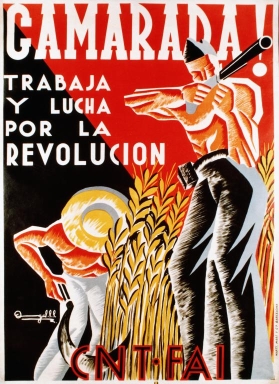
 In this edition of the Education Series we look at one of the greatest experiments with an alternative to capitalism: the 1936 Spanish Revolution. People today seeking a democratic socialist and egalitarian society can draw lessons from both its successes and failures.
The Spanish Revolution occurred in the context of a civil war, but even so for a short period of time social relations changed – bosses were fired; workers practiced direct democracy in the fields and factories; greater gender equality was won; and socialism from below looked like a possibility.
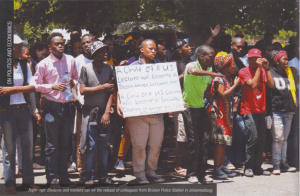
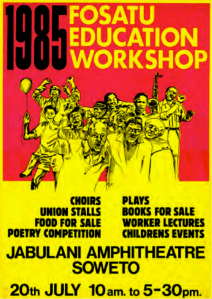 Trade unions have played a major role in defending workers’ rights against the bosses and politicians, also in advancing workers’ interests. This is why, even today, workers are still loyal to their unions. However, there are obstacles within the unions – one being the union bureaucracy, of paid and full-time officials. This can develop its own interests, undermining the unions.
  zabalaza.net