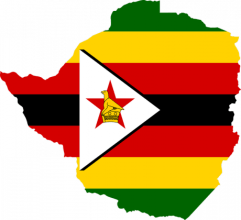
 This article looks at the recent events around the removal of Robert Mugabe from power in Zimbabwe. It argues that this will not bring liberation for the people of Zimbabwe, as it does not address the problems Zimbabwe faces – a ruthless ruling class, its state, capitalism and imperialism.
Robert Mugabe, the longstanding authoritarian ruler that has waged a war against Zimbabwe’s poor, is gone. He was forced to resign in the wake of a coup – although the main actors in the coup comically denied it was one.
When it was announced that Mugabe was exiting power, tens of thousands of people took to the streets of Harare to celebrate. Many are hoping that his exit will bring change for the better for Zimbabwe. This hope, unfortunately, may be wishful thinking. The reason for this is that Mugabe was a symptom of far deeper problems, and without addressing those problems, Zimbabwe cannot be free; nor can there be genuine equality. Similarly, those that removed Mugabe are cut from the same cloth, and come from the same ruthless ruling class.




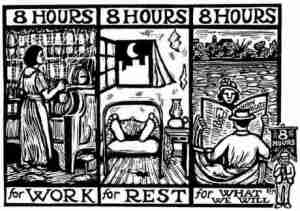 Let us learn from our past struggles, in the USA and in Malaysia. May Day should be an occasion to reflect not jubilate, to engage not agonize, to demand not relent, and to organise, not complain. We need systemic change that can guarantee equality, fraternity, self-management and socialisation of the commonwealth, guided by a bottom–up approach to decision making. We need a labour movement that is multicultural and international, feminist, active in urban and rural struggles, and that prizes reason over superstition, justice over hierarchy, self-management over state power, international solidarity over nationalism. We need to fight for a universal human community, not parochialism and separatism. The organisational power and strategic location of the Malaysian union movement provides an excellent point of departure for building this counter-movement. This is our appeal and message as we celebrate this May Day, on the eve of dark days in which the storm clouds gather over humanity – but in which the light of hope of a better future can break through, if we arm ourselves with the correct ideas and approaches. May Day began as an example of globalisation-from-below. Let us rally to it. Let us take back its original vision: liberty, equality, unity.


 zabalaza.net