 A video went viral on social media platforms on October 3, outlining how the notorious Special Anti-Robbery Squad (SARS) unit of the Nigerian police force shot a young man, dumped him at the side of the road and stole his car. What followed was three weeks of protests by young people against such police brutality and the corruption that defines the state; initially via social media, #EndSARS, and later in towns and cities across Nigeria.
Needless to say, the protests continued and grew into the largest in the history of Nigeria. As the protests grew, the state changed tactics and responded to the escalation with outright violence. Part of this involved the state deploying thugs to attack protestors in order to try and intimidate people off the streets. When this failed to produce the state’s desired result, it deployed the military and implemented a curfew in a number of cities. By October 20, however, the protests had spread across Nigeria. Some of the assets of the Nigerian ruling class were also targeted during these protests and the largest and most lucrative toll road in country, Lekki, in Lagos, was blockaded. On that day the military attempted to brutally end the protests and shot dead 12 people at the Lekki tollgate.
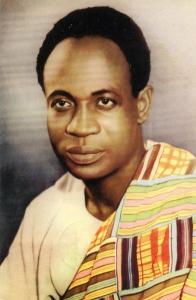 Ghana, West Africa, was a British colony called “Gold Coast” until 1957. It became the first independent country in “black” Africa after reforms and struggles in the 1940s and 1950s. The new president, the brilliant Kwame Nkrumah, and his Convention People’s Party (CPP), had fought for independence. Now they aimed at major changes in the society, even speaking of socialism. And Nkrumah proposed a united African government for the continent: Pan-Africanism.
 zabalaza.net