The Covid 19 pandemic has impacted every aspect of human life. It has had a dev-astating effect on people’s physical and mental health, social relations and communities, our livelihoods, and freedom to move about. It has also significantly curtailed our ability to organise effective political protests and strengthened the hand of the State.
It has highlighted the fundamental problems of global capitalism and its need for continued growth and profit. The State’s support for those goals, has been behind the origin, spread, and tragic consequences of the disease. The need for revolution has never been so apparent.

However, as we struggle to fight back, the weaknesses of the working-class movement have also been revealed. We have seen a mounting death toll, health services overwhelmed, key workers treated as expendable, and the economic costs borne by those least able to afford it, yet resistance has been negligible. Nevertheless, the pandemic has also brought out actions and sensibilities that are key to social transformation: solidarity, mutual aid, self-organisation, and internationalism.
Covid-19 and other zoonotic diseases that have emerged over the last few decades are caused by the spread of global capitalism. As capitalism takes over more and more land for logging, mining, and agribusiness, wild animals are losing their habitats and com-ing into contact with humans, creating the potential for diseases to ‘spillover’ from other species to humans. This situation is exacerbated by the demand for exotic animal meat by the growing middle and upper classes around the world.
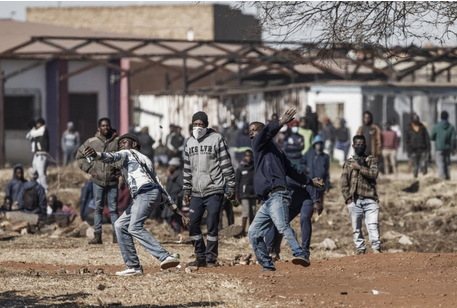

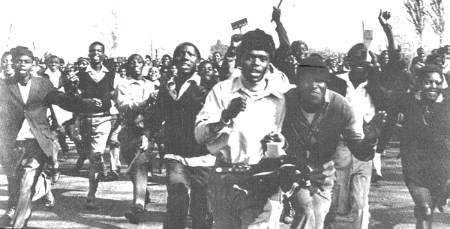 his is a 1979 Situationist-influenced text describing the mass student and worker protests that, in 1976 and 1977, shook apartheid South Africa with mass protests and general strikes. Written by two exiled black South Africans — Norman Abraham and Selby Semela, a leading figure in “76” — and an American revolutionary — Sam Thompson — the text is critical of heirarchical, nationalist and vanguardist modes of struggle, and affirms, instead, “the real black proletarian struggle in South Africa”. We do not endorse its every word, but we are republishing it, in honour of Semela who recently
  The talk that I’m going to present today is based on a research project that I carried out with my colleague Vladislav Kruchinsky in South Africa in 2011-2013. The aim of our research was to analyse and explore the methods and practices of self-organisation from below that existed in the crucial 1980s period of the anti-apartheid struggle.
  zabalaza.net