
In February 2015, four community activists from Boiketlong in the Vaal, south of Johannesburg, were sentenced to 16 years in prison each following a community protest. This is a very severe sentence and the conviction was based on shaky evidence. The ‘Boiketlong Four’ were arrested for allegedly attacking the local ANC ward councillor and setting fire to her shack and two cars during a community protest. They were convicted of assault with intent to cause grievous bodily harm, arson and malicious injury to property. This is an example of a terrible injustice perpetrated against black working class activists and could have dangerous repercussions for future struggles of the black working class and poor in South Africa if it is not fought. People need to be aware of the facts and take action to demand justice and to fight the criminalisation of poverty and protest.

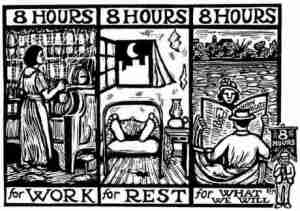 Let us learn from our past struggles, in the USA and in Malaysia. May Day should be an occasion to reflect not jubilate, to engage not agonize, to demand not relent, and to organise, not complain. We need systemic change that can guarantee equality, fraternity, self-management and socialisation of the commonwealth, guided by a bottom–up approach to decision making. We need a labour movement that is multicultural and international, feminist, active in urban and rural struggles, and that prizes reason over superstition, justice over hierarchy, self-management over state power, international solidarity over nationalism. We need to fight for a universal human community, not parochialism and separatism. The organisational power and strategic location of the Malaysian union movement provides an excellent point of departure for building this counter-movement. This is our appeal and message as we celebrate this May Day, on the eve of dark days in which the storm clouds gather over humanity – but in which the light of hope of a better future can break through, if we arm ourselves with the correct ideas and approaches. May Day began as an example of globalisation-from-below. Let us rally to it. Let us take back its original vision: liberty, equality, unity.
 We of the Zabalaza Anarchist Communist Front warmly congratulate you on yet another year of sterling work in spreading the ideas and practices of anarchism amongst the popular classes of Brazil. We have been following the struggles in Brazil with interest and also much respect. We salute the bravery of you, our comrade sisters and brothers – the working class and anarchists of Brazil – and look forward to a victorious outcome for you in these struggles.



 by Lucien van der Walt (ZACF)
 zabalaza.net